

Film Photography – Shooting 6×12 Format
I am really enjoying film photography, especially shooting 6×12 format. This is a special panoramic format. It is a reminder that the 2:1 image is different from what I’m used to as I shoot. Presently I shoot in landscape “mode” and need to get to the city to compose some architectural shots which will lend very well to portrait “mode” in 6×12. The actual image size: 56 x 112 mm. The Horseman SW612 back gives 56 x 114 mm images. This is the roll film back that I own and use to achieve this format as a single shot image.
Shooting 6×12 format on 120 film will give you 6 shots per roll, 12 shots per roll of 220 respectively if you have or can get expired 220 film. The added advantage of shooting 6×12 on roll film as opposed to cropping sheet film, is that there are more “flavours” available in roll film than there are in sheet film. With 6×17 one will require an expensive and rare centre ND filter that takes care of the vignetting experienced in the corners of the image, shooing 6×12 format, this does not occur.
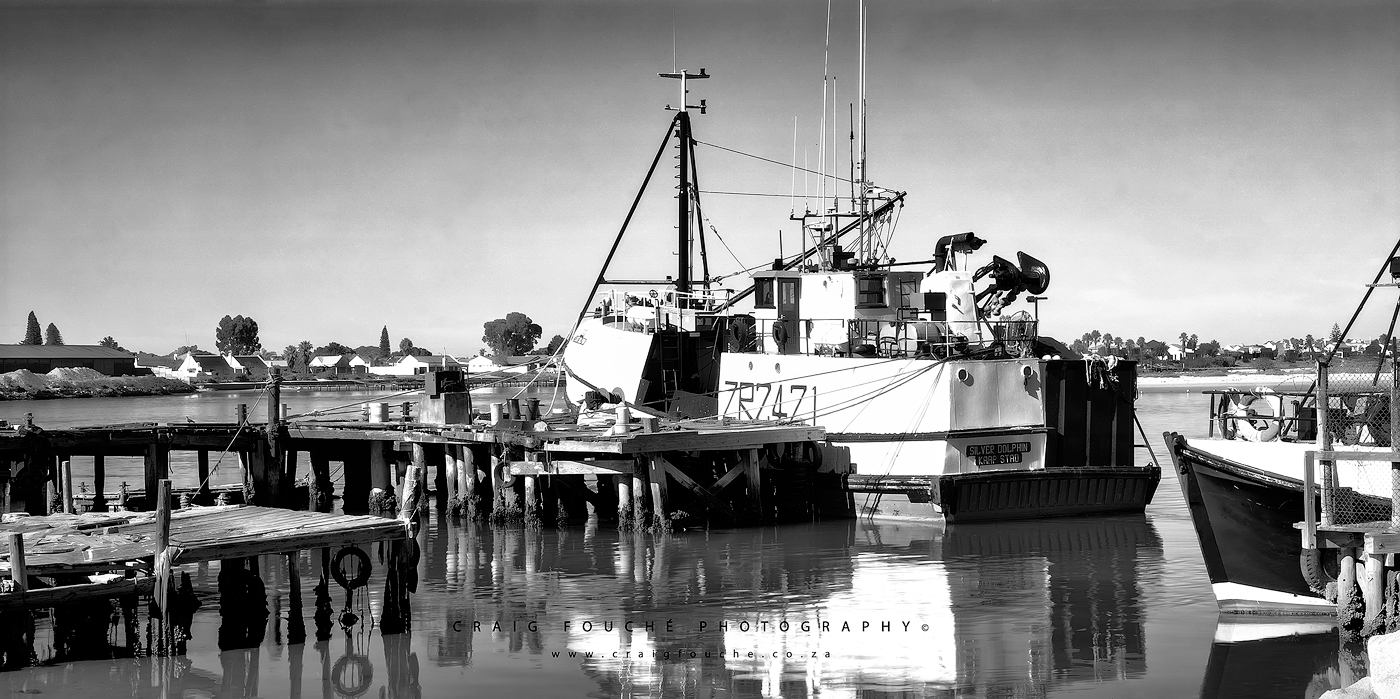
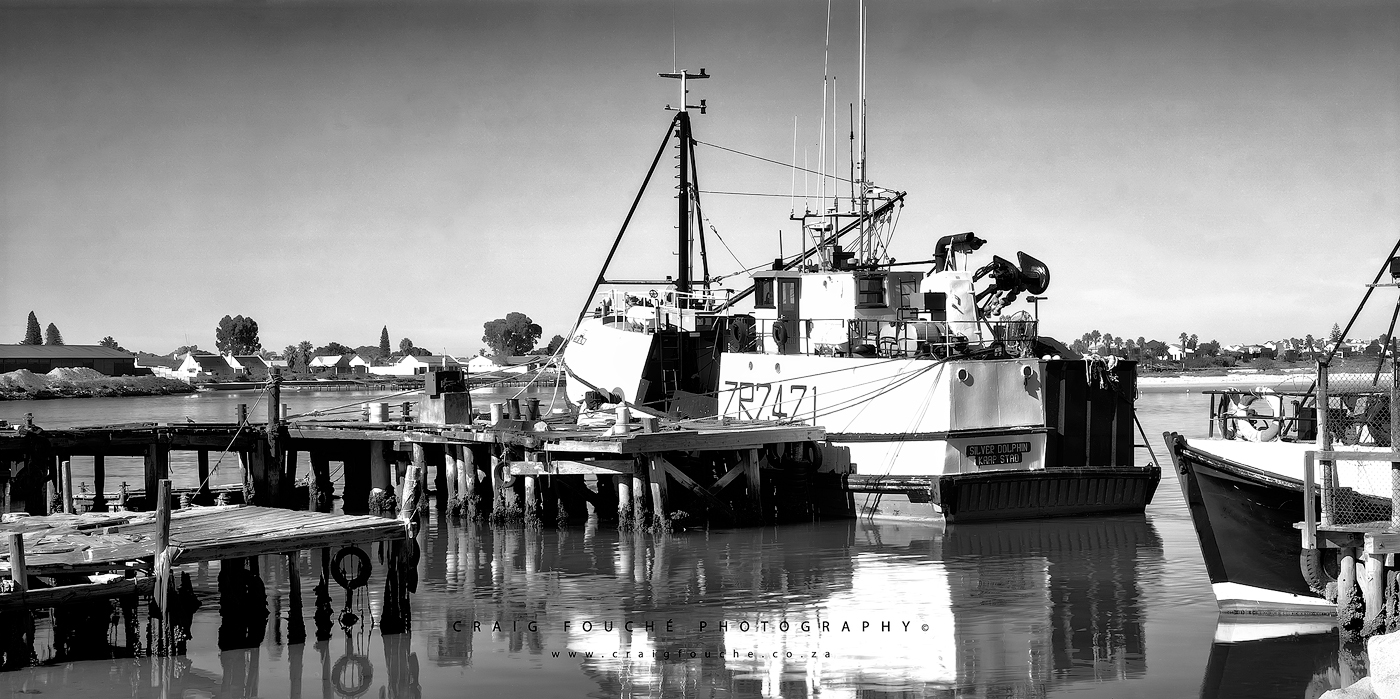
Laidback Laaiplek, Laaiplek, South-Africa – Kodak Ektar 100 Craig Fouché Photography © 2021
There are dedicated specialised cameras like the Horseman SW612 or Linhof Technorama 612 made for 6×12 format, they however don’t allow for movements as one would use on a large format camera.
These negatives are easy to scan on my Epson V750 and easy to file and contact print. I use pages that hold four strips. I fit one image per strip, thus four images fit perfectly on a page.
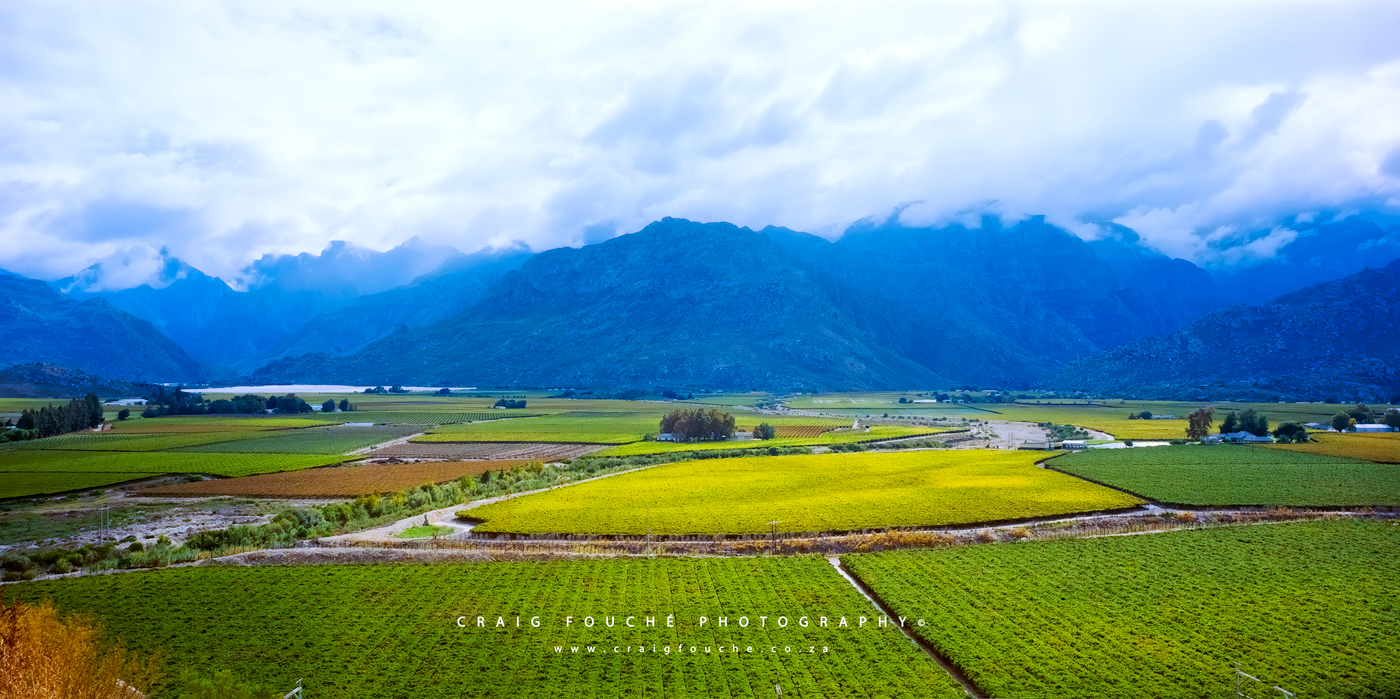
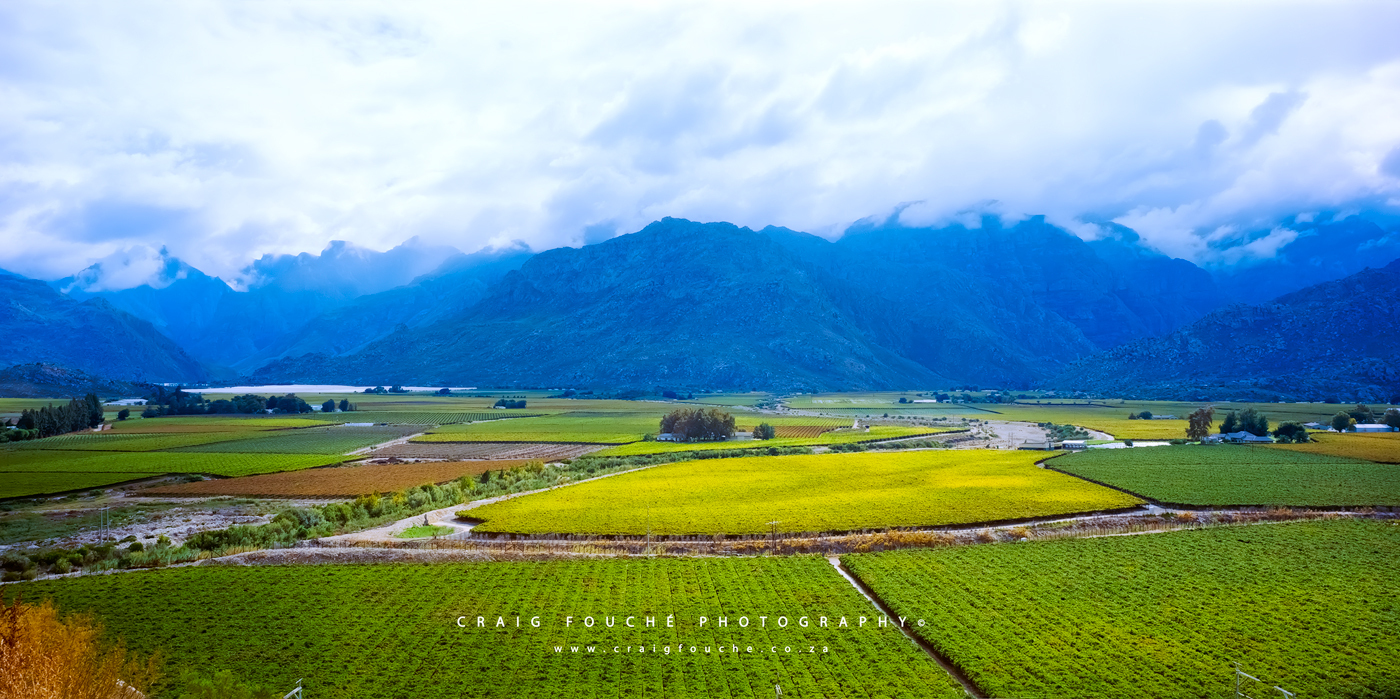
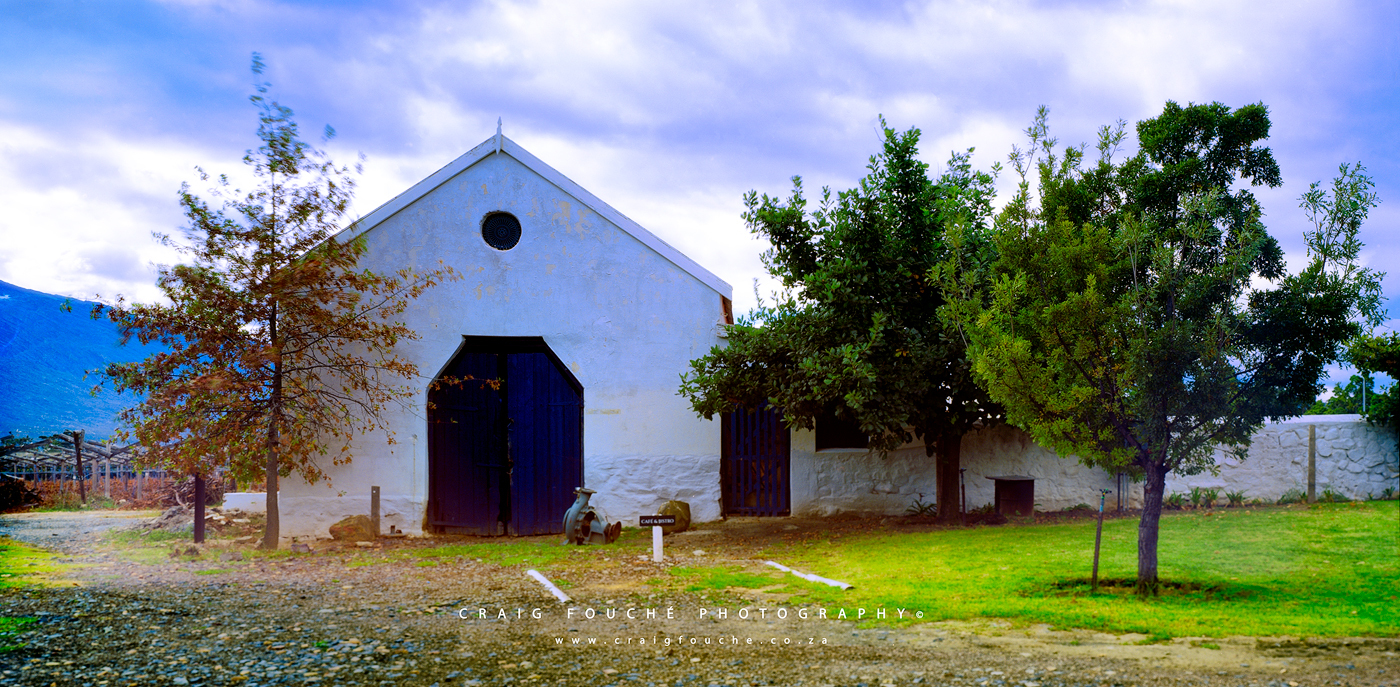
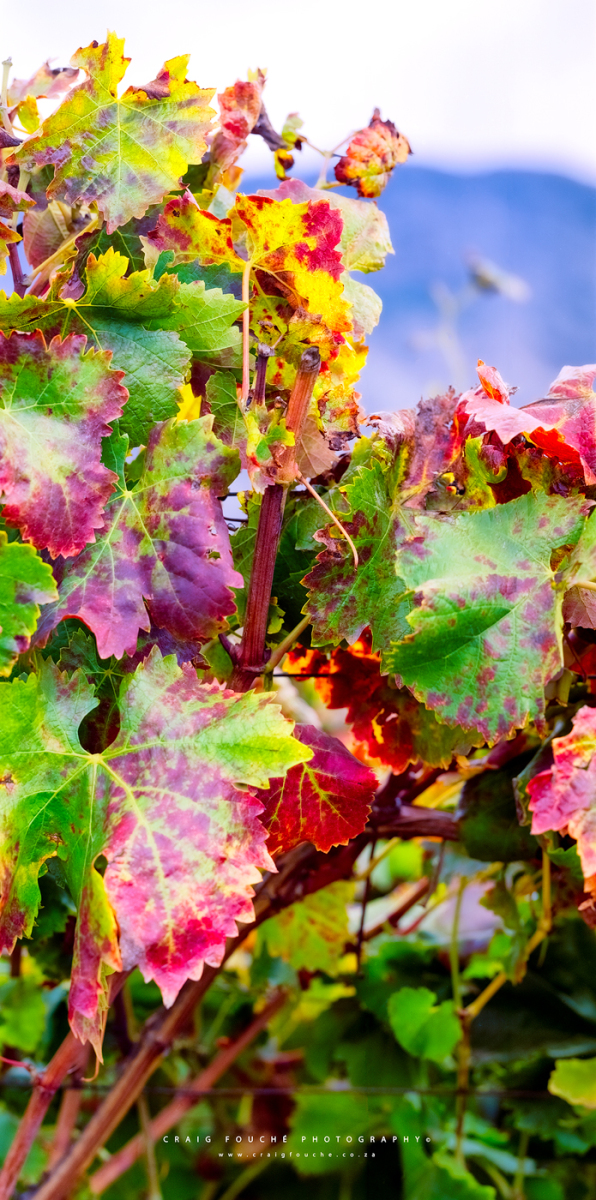
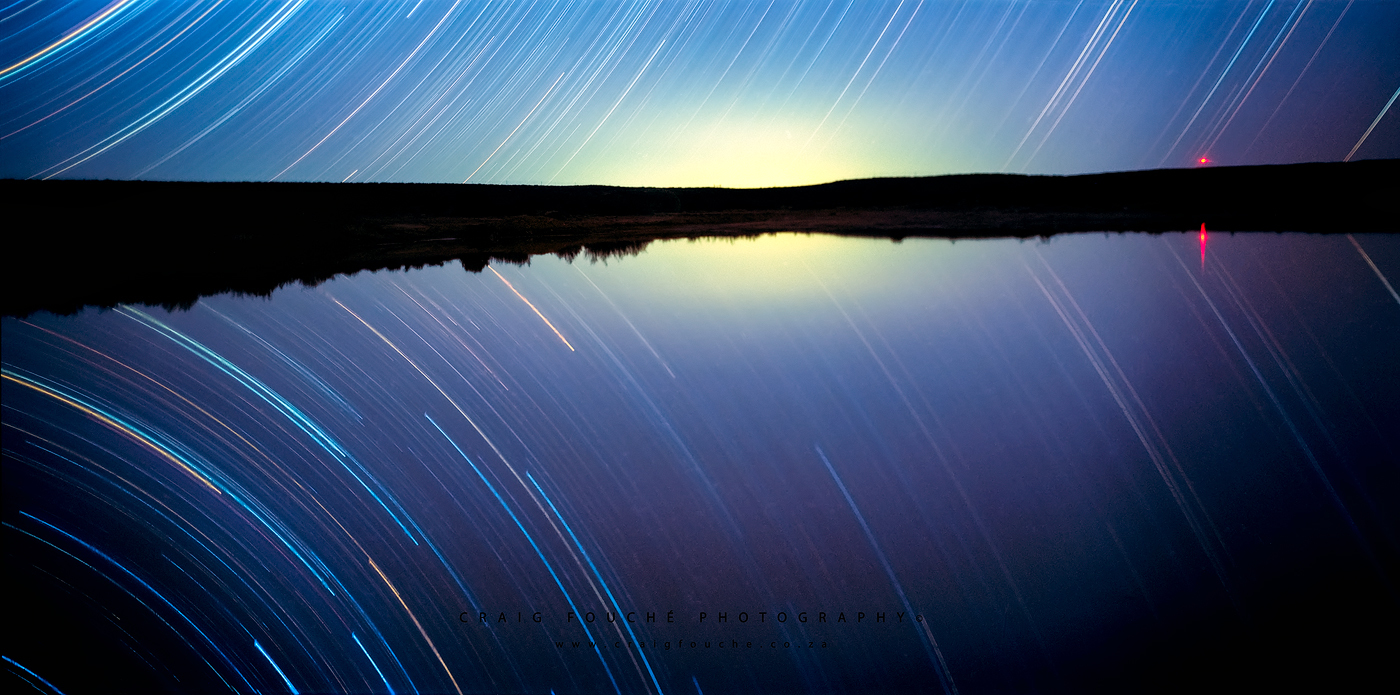
I have shot star trails in 6×12 as well as some harbour scenes. My main thrust has been of the vineyards of the region that I live in. The Americans have their Fall Colours, Ben Horne and Alex Burke spring to mind when shooting film in this season, this is our time in South Africa and an expression of our Autumn Colours. I have also shot astrophotography on 6×12 which takes quite a bit of pre-planning to achieve the results that are needed.
I live in the Winelands region of South Africa. The Northern valley – Hex River Valley is predominantly table grapes with only three vineyards that produce wine. It is these various cultivars that produce the quilted blanket patch in autumn and early winter with their vibrant saturated colours. At the right time, snow will fall and cover the top third of these mountains. In the Southern valleys, those are all wine-producing grapes, and there too we experience a show of colour during season change. Knowing the right people and farmers will grant you access to special places that are normally off-limits to the general public. Permits may be obtained from Hex River Tourism and prior arrangements will also need to be made before going to photograph on private property.
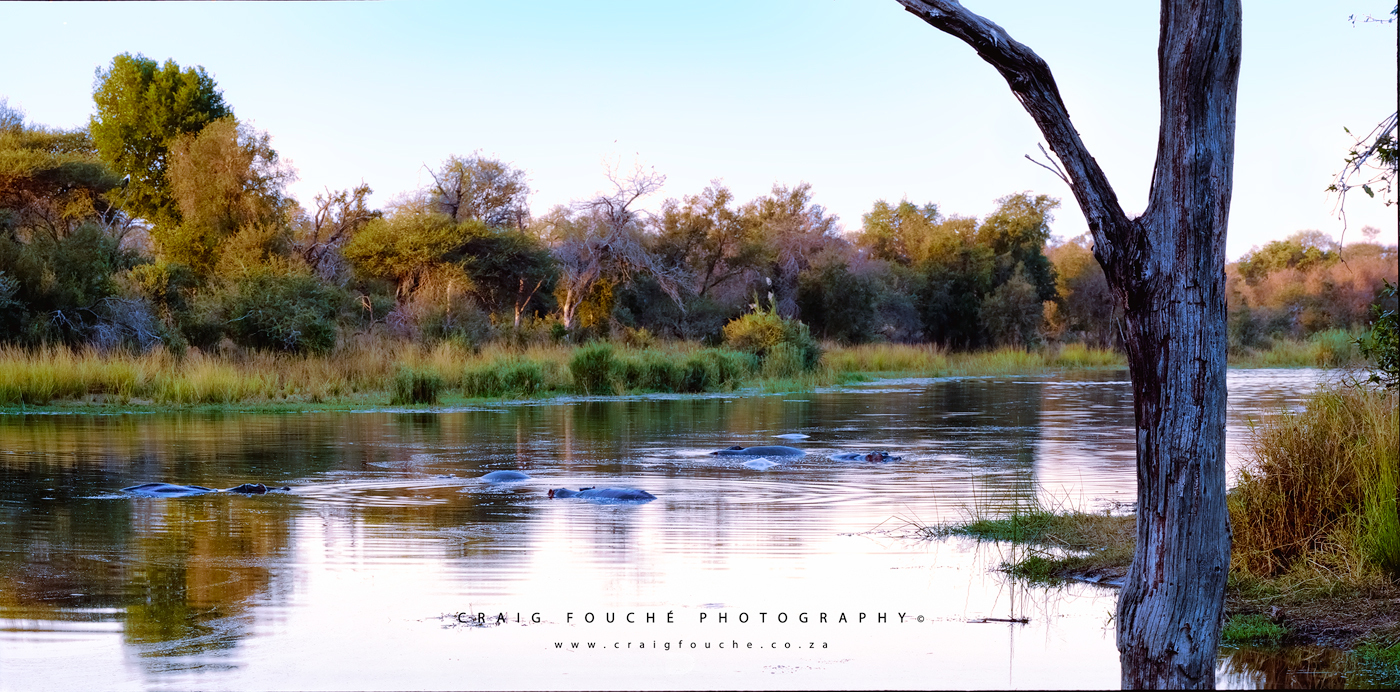
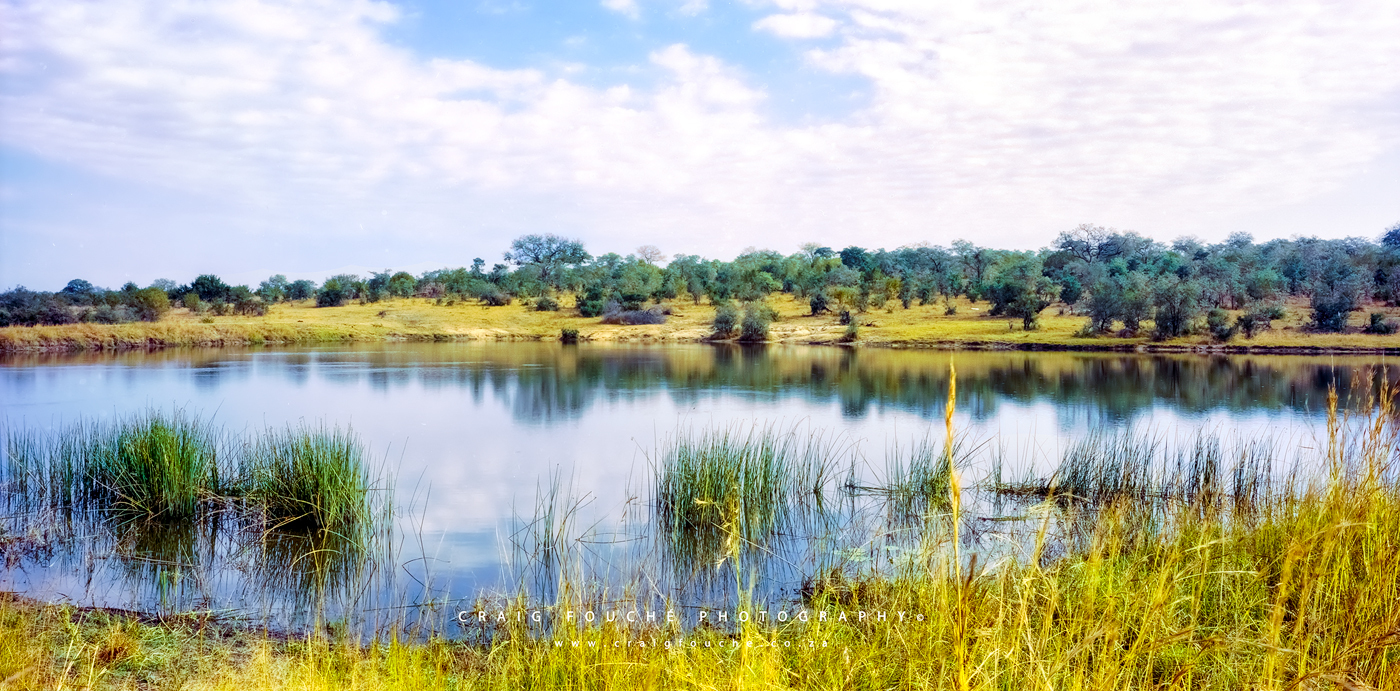
We recently travelled to the Kruger National Park in South-Africa, it was here that I took the opportunity to try my hand at shooting wildlife on 6×12
During the month of May 2021, we travelled to the Kruger National Park in South-Africa, it was here that I took the opportunity to try my hand at shooting wildlife on 6×12. This is by no means an easy feat. Since you have to remain in your vehicle, it is not possible to shoot large format as one normally would. To overcome this I had borrowed a Gimpro door-mount on which my 4×5 camera was mounted. I framed up the composotions, hoped the game wouldn’t move, fitted the roll film back and took my shots, of which can be seen in the gallery below.
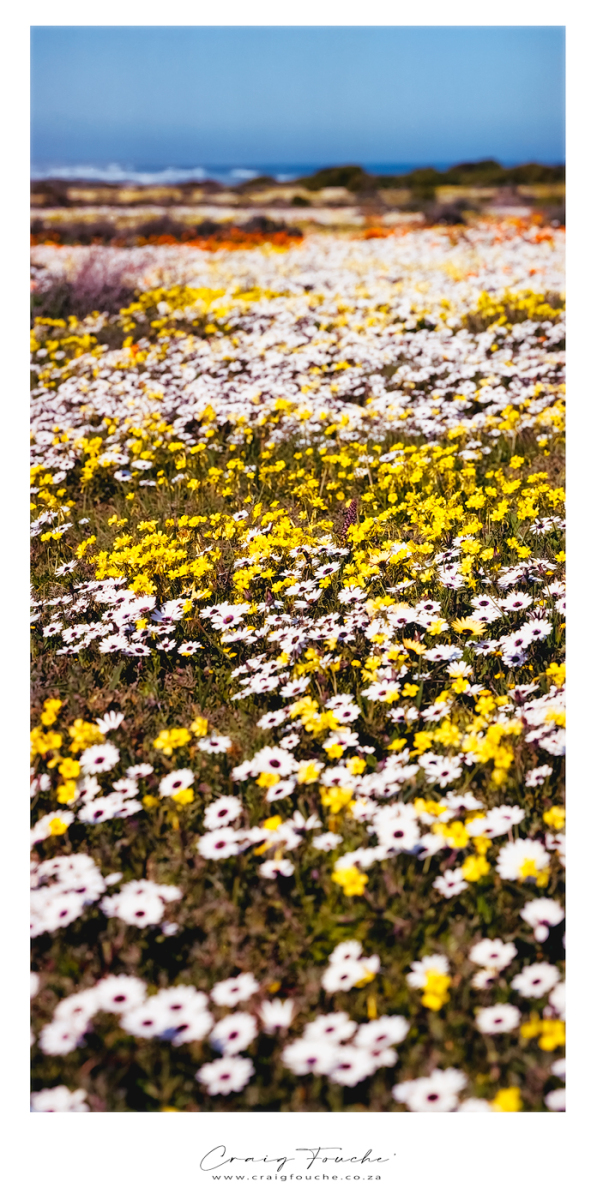
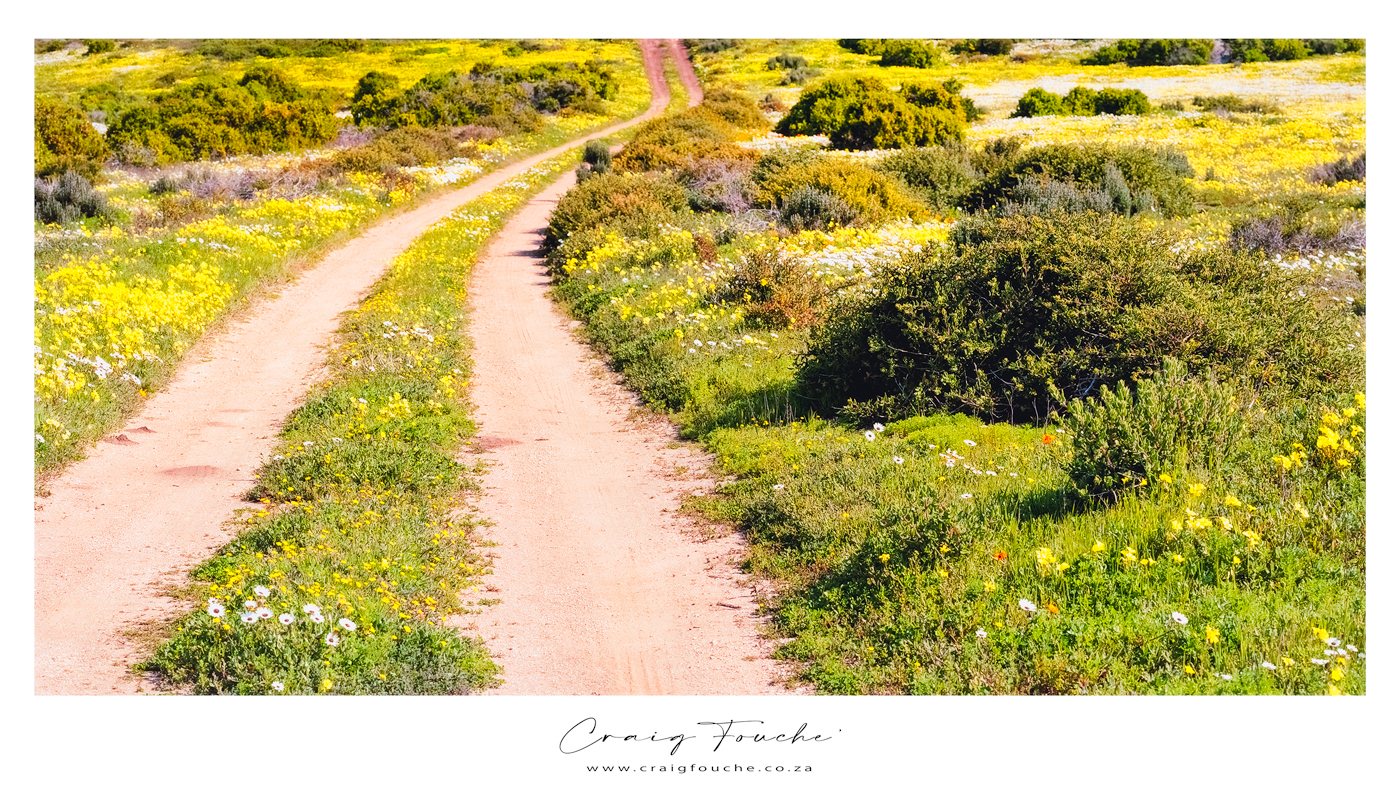
I am planning on capturing the world renowed Namaqualand Flower Season during the next two months. The volume and variety of flowers depends entirely on the high rainfall that the region receives. Currently, the fields are lush green and patches of colour have begun to show fields of orange, yellow, white and more. Look out for an upcoming blog where I will shoot this spectacular event in various film formats.
Gallery
The images are of a high-resolution nature and may take time to load. Click either on the advance arrow or on the image itself to view it as a large single image.
Digital Colour Gallery







0 Comments