Industrial Photography
Industrial Photography
Patterns | Power | Presence
Geometry, Grit, and the Poetics of the Built World
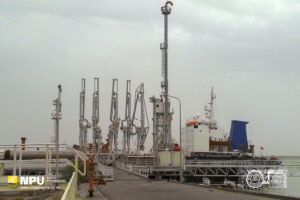
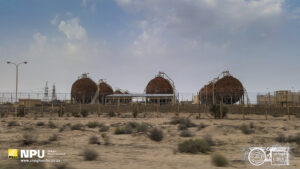
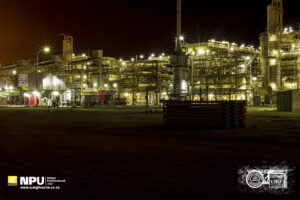
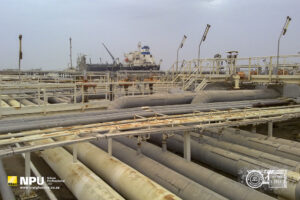
Craig Fouché Photography provides professional industrial photography throughout South Africa, documenting engineering, manufacturing, mining and industrial environments with technical precision and a strong visual narrative. Industrial photography occupies a unique space within the broader photographic landscape. It is a genre shaped by structure and purpose, yet filled with unexpected beauty: the symmetry of a refinery at dusk, the rhythm of pipes and conduits, the interplay of shadow on steel, the quiet choreography of human labour within engineered environments. To photograph industry is to enter a world built on precision and repetition, but also resilience, ambition, and the collective ingenuity of human hands.
In its purest form, industrial photography is not merely documentation. It is interpretation. These spaces—factories, power stations, oil fields, shipyards, construction sites—carry a visual language all their own. Their lines and materials speak of production, movement, and transformation. They hum with a certain energy: the pulse of machinery, the echo of vast interiors, the heat and vibration of systems in motion. Through the camera, these functional environments become abstractions of pattern and form. Steel becomes sculpture. Light becomes architecture. Function becomes art.
My approach to industrial subjects is guided by two impulses: clarity and curiosity. Clarity respects the engineering—the accuracy of perspective, the integrity of verticals, the visual truth of scale. Curiosity explores beyond the obvious, drawing out nuance and atmosphere: the hazy glow of furnace light, the elegant repetition of conveyor belts, the sculptural geometry of cranes or cooling towers. In the same way that a landscape photographer studies geology or light, the industrial photographer studies structure, rhythm, and the interplay between human design and mechanical purpose.
Industrial environments also demand a particular kind of attentiveness. These are not spaces shaped for aesthetics; they are created for output, efficiency, safety, and durability. Light is inconsistent. Scale is immense. Lines converge quickly, and depth can overwhelm the frame. A tilt-shift lens becomes an essential companion—not for effect, but for honesty. Maintaining architectural precision honours the reality of the site, giving each photograph a sense of order within complexity. Wide lenses reveal scale, while thoughtful composition gives even the busiest scene a sense of intentional calm.
Yet, for all its technical demands, industrial photography is deeply atmospheric. There is something evocative in the glow of sodium lights against wet concrete, in the haze drifting through steel rafters, in the sheer scale of equipment designed to move mountains of material. Even abandoned sites retain a sense of narrative—echoes of labour, memory, and time. Photography becomes a way of listening to these spaces, recording the stories embedded in machinery, heat, and metal.
For those who work within these environments, industrial photography often carries purpose: documentation, safety records, architectural clarity, or corporate communication. But beyond the client brief, the genre holds immense artistic potential. It invites viewers to see industry not as a distant or utilitarian world, but as a landscape of human achievement—complex, imperfect, imposing, and strangely beautiful. It reminds us that the built world is also a form of environment, shaped with intention and ambition.
Ultimately, industrial photography reveals that beauty does not belong exclusively to untouched nature. It exists in steel grids and turbine halls, in the glow of refineries at twilight, in the engineered precision of structures that carry enormous weight. These spaces may not be designed as art, but they possess an undeniable aesthetic presence—one that rewards curiosity, patience, and a willingness to find poetry in the unexpected.
Beyond The Machinery
Industrial environments are often overlooked as places of beauty, yet they reveal extraordinary compositions to those willing to look closely. Geometry, light, texture and scale combine to create photographs that celebrate not only engineering excellence but the people, ideas and craftsmanship behind every structure.
Whether documenting active industrial facilities, manufacturing processes or monumental engineering projects, industrial photography preserves the visual story of industries that continue to shape our modern world.
Explore the Collection
Discover the Fine Art Digital Collection — a curated body of work that invites viewers and collectors alike to experience the grandeur of Africa’s landscapes through the expansive lens of digital format.
INDUSTRIAL GALLERY


MORE ON DIGITAL LANDSCAPES

Aerial

Architecture

Astrophotography

Cityscapes

Infrared

Macro

Seascapes
MORE ON DIGITAL PORTRAITS

Portraiture
MORE ON DIGITAL SPORT

Sport
MORE ON DIGITAL BLACK & WHITE

Black & White
MORE ON DIGITAL TRAVEL & WILDLIFE

Travel

Wildlife