Architecture Photography
Architecture Photography
Geometry | Light | Design
Architecture in Frame
Craig Fouché Photography specialises in architectural photography throughout South Africa, documenting commercial, heritage and contemporary buildings with technical precision, careful composition and an appreciation for design. Architectural photography is an art form devoted to capturing buildings and structures in ways that are both aesthetically powerful and technically precise. At its core, it seeks to honour the vision of the architect while interpreting the space through the eyes of the photographer. This discipline demands a unique blend of creativity and craftsmanship—where composition, symmetry, light, and perspective converge to reveal the soul of a structure.
Because buildings cannot be repositioned or adjusted, architectural photographers rely on specialised tools, particularly tilt-shift lenses. Unlike conventional lenses, tilt-shift optics allow for precise control over perspective, ensuring that vertical lines remain parallel and that structures are rendered accurately. These corrections take place during the composition phase, before the shutter is released, reinforcing the photographer’s role as both artist and technician.
Classic subjects in architectural photography span centuries and continents, each offering their own narrative and design language. They include the towering grandeur of modern skyscrapers such as the Empire State Building, the ornate detailing of cathedrals like the Peter and Paul Cathedral in St Petersburg, the sweeping acoustics of concert halls like London’s Royal Albert Hall, the intricate wooden geometry of Norway’s stave churches, and the timeless elegance of iconic railway stations such as Grand Central in New York. Each structure reflects the culture, history, and values of its era, making the act of photographing them both visually rewarding and intellectually engaging.
Exterior Architecture
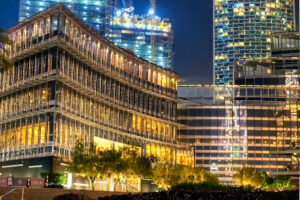
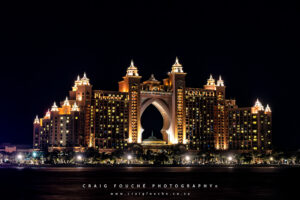
Exterior architectural photography often relies entirely on natural light. The shifting qualities of sunlight—its direction, colour temperature, and intensity—define how a building is perceived. Early morning and late afternoon produce long shadows and warm tones, while twilight allows façades to glow against a deep blue sky, illuminated by streetlamps, signage, and subtle landscape lighting.
The environment surrounding a building is equally important. Landscaping, public art, water features, pathways, and even seasonal foliage serve as compositional elements that lead the viewer’s gaze toward the structure. When used deliberately, these foreground features create depth, balance, and context, enhancing the architectural story being told.
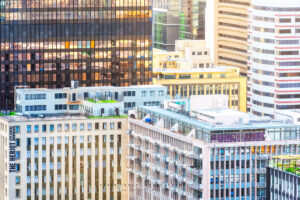
Modern buildings, with their reflective surfaces, offer additional creative possibilities. Glass façades can mirror neighbouring structures, the sky, or bustling streets—sometimes revealing surprising juxtapositions between old and new. These reflections transform ordinary moments into dynamic visual narratives and are one of the most compelling aspects of contemporary architectural photography.
Interior Architecture
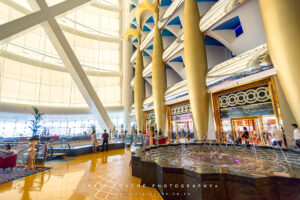
Interior architectural photography presents its own set of challenges and opportunities. Light becomes the dominant consideration, as interiors blend natural illumination from windows and skylights with artificial lighting from fixtures and ambient sources. To achieve balanced, detailed images, photographers often supplement available light with strobes or continuous lighting to soften shadows, highlight textures, and reveal structural details.
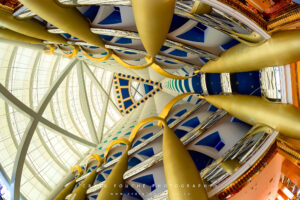
Capturing the interior of a building is about more than documenting walls and furnishings—it is about conveying atmosphere. The warmth of a reading room, the symmetry of a grand hall, or the texture of historic stonework all contribute to the emotional experience of the space. Composition, alignment, and thoughtful lens selection guide the viewer through the interior’s design, showcasing both its function and its artistry.
A Dialogue Between Design and Vision
Architectural photography is as much about storytelling as it is about precision. Each structure—whether ancient or modern—carries history, intention, and character. Through careful observation and expert technique, the photographer reveals the interplay of geometry, light, and space, honouring the craftsmanship of the architects and builders who shaped these environments.
It is a genre that rewards patience, knowledge, and a deep appreciation for the built world. Ultimately, architectural photography invites viewers to see familiar structures with renewed curiosity, celebrating the artistry woven into the places we inhabit every day.
Discover the Built Environment
Every building tells a story long before a photograph is made. The architect imagines it, the engineers refine it, and skilled craftsmen bring it into existence. My role is to interpret that vision through light, perspective and composition—creating photographs that respect both the design and the people who shaped it.
From historic landmarks and contemporary commercial developments to carefully designed interiors, architectural photography celebrates the relationship between structure, space and the human experience.
Explore the Collection
Discover the Fine Art Digital Collection — a curated body of work that invites viewers and collectors alike to experience the grandeur of Africa’s landscapes through the expansive lens of digital format.
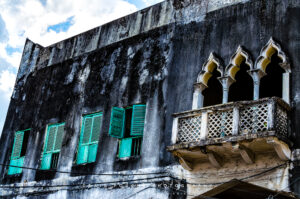
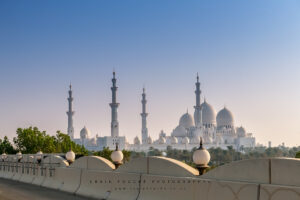
ARCHITECTURE GALLERY
MORE ON DIGITAL LANDSCAPES
Aerial

Astrophotography

Cityscapes

Industrial

Infrared

Macro

Seascapes
MORE ON DIGITAL PORTRAITS

Portraiture
MORE ON DIGITAL SPORT

Sport
MORE ON DIGITAL BLACK & WHITE

Black & White
MORE ON DIGITAL TRAVEL & WILDLIFE

Travel

Wildlife