Wildlife Photography
Wildlife Photography
Moment | Motion | Majesty
Capturing Nature’s Rhythm
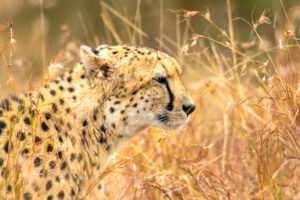
Craig Fouché Photography captures wildlife throughout South Africa and beyond, creating images that celebrate the beauty, behaviour and natural rhythms of animals through patience, ethical field craft and thoughtful observation. Wildlife photography is a discipline defined by patience, respect, and the pursuit of fleeting moments that cannot be rehearsed or repeated. It is among the most demanding genres in the photographic world—an arena where technical skill, field knowledge, and instinct must work in harmony. Beyond equipment or technique, it is the ability to read behaviour, anticipate movement, and quietly integrate oneself into the landscape that separates a competent wildlife photographer from a truly accomplished one.
The heart of wildlife photography lies in understanding the subject. Every species carries its own rhythm: the way predators track, the subtle shift in posture before a bird takes flight, the social cues within herd animals, the fragile intervals when light, behaviour, and environment converge. Mastering these rhythms requires time—long hours of observation, research, and field experience. The best wildlife photographs are rarely accidents. They are the culmination of preparation, patience, and an acute sensitivity to the animal’s world.
Ethical field craft plays a fundamental role in shaping this genre. Many animals are wary, elusive, or simply too dangerous to approach without care. Understanding how close is too close is part of the craft. Whether sitting quietly in the grass for hours, using natural features as cover, or employing blinds, hides, or camouflage, the guiding principle is always the same: the welfare of the animal is more important than the photograph. True wildlife photography respects the rhythms of nature without imposing on them.
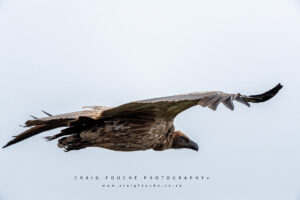
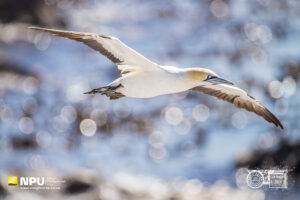
Composition and technical decisions in wildlife photography differ significantly from other photographic disciplines. Whereas landscape photographers seek deep focus and clean detail, wildlife photographers must embrace speed and reactivity. Wide apertures are often critical for maintaining fast shutter speeds—freezing wings in flight, hooves mid-stride, or the split-second tension before the strike of a predator. These shallow depths of field also isolate the subject beautifully, separating it from distracting backgrounds and drawing the viewer directly into the eyes, feathers, or fur of the animal.
Long telephoto lenses are a defining tool of the genre, allowing photographers to keep a respectful distance while filling the frame with detail. Their weight and narrow angle of view demand stability, whether through tripods, gimbals, or increasingly advanced image-stabilisation systems. For macro wildlife—such as insects, amphibians, and small reptiles—dedicated macro lenses and careful control of depth of field are essential. Underwater wildlife photography brings its own specialised kit: sealed housings, strobes, and buoyancy-controlled movement, creating images from a world that feels entirely apart from our own.
But equipment alone does not make a strong wildlife image. Equally important is the photographer’s sensitivity to light and environment. Early mornings and late afternoons offer the most evocative conditions, sculpting fur, feathers, and forms with rich, directional light. Mist, dust, rain, or snow can elevate a scene from a mere record into a poetic encounter—textures and atmosphere that amplify the emotional weight of the moment.
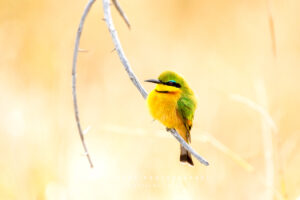
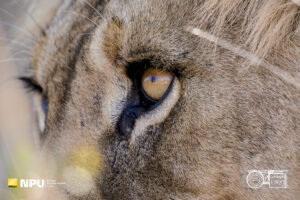
Not all wildlife photography relies on action. Quiet portraits can be just as powerful. A static moment—a lion resting in the shade, a small antelope turning toward a distant sound, the delicate structure of an insect’s wings—invites viewers to consider detail, intimacy, and presence. These images remind us that wildlife photography is not only about movement but also about stillness.
Historically, photographing wildlife was nearly impossible due to slow lenses and insensitive film. Technological advances have transformed the genre: faster apertures, higher ISO capabilities, rapid autofocus, and silent shutters allow photographers to capture moments once thought unachievable. Yet despite all this progress, the essence remains unchanged. Great wildlife photography still depends on being in the right place at the right time—and knowing exactly what to do when the moment arrives.
Ultimately, wildlife photography is a conversation between patience and opportunity, between preparation and instinct. It requires a reverence for the natural world, a willingness to wait, and an appreciation for the small miracles that unfold far from human interference. When all elements align—light, behaviour, timing, and heart—the resulting image becomes more than documentation. It becomes a testament to the beauty, fragility, and vitality of life in the wild.
In Nature’s Time
Wildlife photography teaches patience more than any other photographic discipline. The finest images are seldom planned to the second; they are earned through quiet observation, careful preparation and a deep respect for the natural world.
Whether photographing the power of a predator, the grace of birds in flight or the quiet presence of smaller creatures often overlooked, every encounter is a reminder that nature unfolds according to its own rhythm—and that the photographer’s greatest skill is knowing when simply to wait.
Explore the Collection
Discover the Fine Art Digital Collection — a curated body of work that invites viewers and collectors alike to experience the grandeur of Africa’s landscapes through the expansive lens of digital format.
WILDLIFE GALLERY
MORE ON DIGITAL LANDSCAPES
Aerial

Architecture

Astrophotography

Cityscapes

Industrial

Infrared
Macro

Seascapes
MORE ON DIGITAL PORTRAITS

Portraiture
MORE ON DIGITAL SPORT
Sport
MORE ON DIGITAL BLACK & WHITE

Black & White
MORE ON DIGITAL TRAVEL

Travel