6x9 Medium Format Film Photography
6×9 Medium Format Film Photography
Precision | Versatility | The Art Of Clarity
The 6×9 Format: The Perfect Balance of Size and Substance
Craig Fouché Photography explores the 6×9 medium format through Horseman roll-film backs mounted on large format field cameras, combining exceptional image quality with the creative freedom of camera movements. The 6×9 format occupies a distinctive place in the hierarchy of film photography. Larger than the more common 6×7 or 6×6 frames, it delivers remarkable clarity, detail, and tonal richness—without the cumbersome handling of sheet film. Sometimes called “the ideal format,” 6×9 offers a perfect balance between image size and practicality, marrying the precision of large format with the efficiency of roll film.
For Craig Fouché Photography, 6×9 is more than a format—it’s a statement of refinement. Each frame represents the meeting point of craft and control, where the cinematic scale of the negative is paired with compositional intimacy. Whether in colour or black and white, 6×9 film captures the world with an elegance that feels timeless and exacting.
Technique and Equipment: A Hybrid of Traditions
Craig works with a Horseman 6×9 roll film back, mounted on his 4×5 and 8×10 field cameras. This hybrid approach merges the best of two worlds: the portability and consistency of medium format roll film, with the superior lens and movement capabilities of large format cameras.
While many photographers might reach for the Fujifilm GW690 III—the famous “Texas Leica”—Craig’s choice of a roll film back brings unparalleled flexibility. By pairing the 6×9 back with large format lenses and camera movements, he achieves precise control over focus, depth, and perspective that fixed-lens rangefinders cannot match.
In the 6×9 format, each 120 roll of film yields eight exposures, encouraging thoughtful composition and deliberate timing. Every frame counts. This process slows the rhythm of photography, inviting observation and patience—core principles in Craig’s analogue practice.
Film Stocks: A Palette of Character and Tonal Depth
Craig shoots a variety of colour and black and white films in 6×9, selecting from Kodak, Ilford, Rollei, Fuji, and Adox emulsions to suit each scene’s mood and tonal intent.
Colour films such as Kodak Ektar 100 and Fuji Provia bring vibrant tonal fidelity and fine grain, ideal for landscapes and architectural compositions where clarity is key. In monochrome, Ilford FP4 Plus, HP5, and Adox Silvermax deliver depth, subtle contrast, and a classic filmic presence—each frame exuding quiet sophistication.
Every roll is developed and scanned in-house with an archival workflow that preserves the tactile quality of film—the grain, tonal nuance, and depth that make analogue photography so enduringly compelling.
A Format Rooted in Precision and Movement
What makes the 6×9 format special is not merely its size, but the freedom it offers in movement. When used on large format cameras, tilt, shift, rise, and fall adjustments enable perspective correction and refined focus control rarely possible in handheld systems.
This makes 6×9 an exceptional tool for fine art landscapes and architectural studies, where alignment, proportion, and spatial flow define the composition. The result is an image that feels deliberate and immersive—crafted rather than captured.
6×9 is also often referred to as “super-sized 35mm”, offering the compositional familiarity of 35mm film with the added depth, resolution, and tonal latitude of medium format. It is, quite literally, the bridge between everyday shooting and the elevated craftsmanship of large format film photography.
A Versatile Vision Across Mediums
In Craig’s body of work, 6×9 serves as both foundation and transition—a flexible format capable of complementing panoramic and large format series alike. Its proportions suit a wide range of subjects: landscapes that unfold with cinematic calm, portraits that honour stillness, and architectural studies where symmetry and shadow play meet in quiet dialogue.
Every 6×9 negative is a testament to precision and patience. It reflects a method of working that values the slow craft of analogue photography—the anticipation, the discipline, and the timeless reward of seeing an image emerge, fully formed, in silver and light.
When digital photography surged in the early 2000s, many declared the death of film. But for me, film never left—it simply became more meaningful. While most professionals transitioned to digital for speed and convenience, I remained rooted in the slow, deliberate process of analogue photography.
I offer film photography not because it’s trendy or nostalgic, but because it’s timeless, authentic, and deeply human. Film requires intention. It slows you down, demands thoughtfulness, and rewards you with richness—both in tone and in experience—that digital simply cannot replicate.
Working with Purpose
The 6×9 format occupies a special place in my workflow. It offers many of the compositional freedoms of large format photography while retaining the convenience of roll film, making it an ideal companion when precision and practicality need to exist side by side.
Mounted on a field camera with full movements, the Horseman roll-film back transforms 6×9 into far more than a medium format system. It becomes a thoughtful balance between craftsmanship and mobility, reminding me that photography is rarely about choosing between formats—it is about choosing the right one for the story unfolding before the lens.
Film is not a relic. It’s a living medium—and in a world of automation and artificiality, it stands as a quiet rebellion.
Film is still very much alive. And so is the craft.
Explore the Collection
Discover the Fine Art Film Collection — a curated body of work that invites viewers and collectors alike to experience the grandeur of Africa’s landscapes through the expansive lens of medium & large format film.
Film is not a relic. It’s a living medium — and in a world of automation and artificiality, it stands as a quiet rebellion.
Film is still very much alive. And so is the craft.
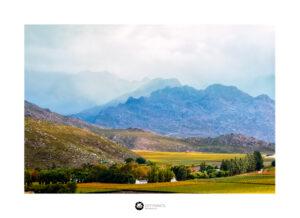
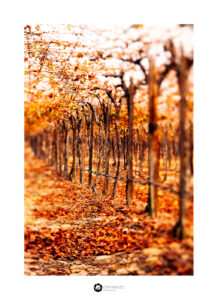
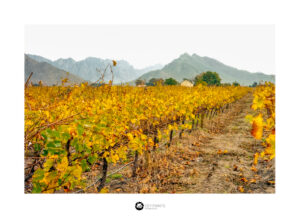
6×9 FILM GALLERY
MORE ON 35MM FORMAT FILM

35mm
MORE ON MEDIUM FORMAT FILM
4×4

645
6×6
6×7
6×8
6×12
6×17
MORE ON LARGE FORMAT FILM

4×5
4×10
5×7
8×10
MORE ON ULTRA LARGE FORMAT FILM

7×17