Black And White Photography
Black And White Photography
Texture | Form | Pattern
Where Colour Disappears
Black and white photography remains one of the most enduring and expressive forms within the medium. Stripped of colour, it interprets the world through tone, contrast, shape, and light. Monochrome images are not literal renditions of reality but abstractions—translations of colour into a spectrum of greys ranging from deep shadow to luminous highlight. This shift from descriptive colour to tonal interpretation makes black and white a profoundly artistic language, one that invites subtlety, mood, and emotional depth.
To work effectively in monochrome, the photographer must learn to see in tones. Our eyes perceive colour naturally, but colours do not always separate well when converted to greyscale. A vibrant red flower in a green field may look striking in colour, yet rendered as grey the two hues may become indistinguishable, resulting in a flat, uninteresting image. Successful monochrome work often relies on tonal separation—light against dark, shadow against form, texture against smoothness. Training your eye to anticipate how colours translate into grey is essential. A simple grey card can help develop this skill: compare it to objects in your scene and consider whether each colour will fall lighter or darker than the card once converted.
Atmospheric conditions play a significant role in black and white artistry. Fog, mist, and haze naturally reduce contrast and create soft, muted transitions that lend a romantic, sometimes mysterious aesthetic. On such days the world becomes a naturally monochromatic environment, and tones fall into gentle harmonies ideal for quiet, contemplative imagery. Closer subjects typically appear darker, while distant objects soften and fade, offering layered compositions rich in depth and mood.
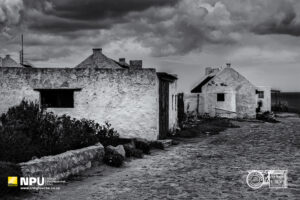
Certain subjects lend themselves organically to monochrome. Documentary, landscape, portraiture, and travel photography are classic arenas where colour often distracts from the essence of the scene. Portraits, for instance, become more powerful when the viewer engages with character, expression, and emotion instead of colour harmony. In landscape photography, composition becomes even more vital: strong foregrounds, graphic shapes, dramatic skies, and leading lines all play crucial roles when colour is removed. Overcast skies, often dismissed by colour photographers, can create brooding, expressive monochrome scenes full of depth.
Contrast—whether high, low, or subtle—defines the emotional tone of a black and white image. High contrast delivers drama and boldness, while low contrast offers mood and delicacy. Subjects that naturally provide tonal difference, like a dark element set against a lighter environment, help shape a photograph’s narrative. Light direction also matters enormously. Low-angled sunlight casts long, defining shadows, sculpting form and volume. Adjusting your shooting position by even a few degrees can greatly affect the modelling of a subject.
Shape and form become powerful compositional tools in monochrome. Silhouettes, for example, rely on strong tonal separation between subject and background. By exposing for the brightest part of the frame, dark shapes emerge cleanly, creating simplified yet striking images. Patterns and textures also shine in black and white. Architectural elements, repeating forms, or textured surfaces can be emphasised through directional lighting and careful choice of lens. Telephoto compression allows repeated shapes to stack rhythmically across the frame, while shallow depth of field helps isolate key areas within complex scenes.
Filters, both digital and physical, remain integral to black and white work. Traditional colour filters—red, orange, yellow, and green—modify tonal relationships by lightening their own colour and darkening their opposite. A red filter, for example, can transform a blue sky into a near-black backdrop, intensifying cloud structure. Polarisers and neutral density filters add further creative control: enhancing skies, reducing glare, or enabling long exposures that blur water and motion into soft textures.
High-key and low-key approaches further expand the expressive range of black and white. High-key images are predominantly bright, delicate, and airy, while low-key imagery is dark, dramatic, and sculptural. Both rely on meticulous control of exposure and light direction. Whether created on traditional film or captured digitally and thoughtfully processed, black and white remains one of photography’s most expressive visual languages.
Ultimately, black and white photography is an exploration of atmosphere, contrast, tonal sensitivity, form, and texture. It invites the photographer to slow down, look deeper, and craft images that resonate beyond colour—images that speak in the timeless language of light and shadow.
Black and white photography reminds us that colour is only one way of seeing the world. When it is removed, attention shifts to light, shadow, texture and emotion—revealing a quieter, more timeless interpretation of the scene.
Whether photographing landscapes, architecture, portraits or everyday moments, monochrome encourages us to look beyond colour and appreciate the enduring beauty of form, contrast and light itself.
Explore the Collection
Discover the Fine Art Digital Collection — a curated body of work that invites viewers and collectors alike to experience the grandeur of Africa’s landscapes through the expansive lens of digital format.
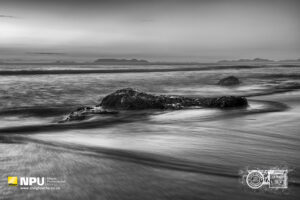
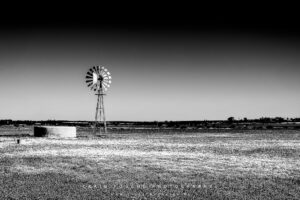
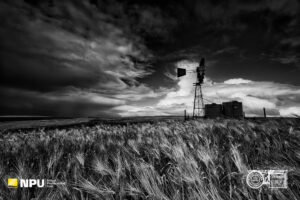
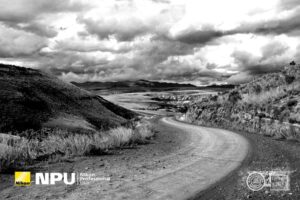
BLACK & WHITE GALLERY



MORE ON DIGITAL LANDSCAPES

Aerial

Architecture

Astrophotography

Cityscapes

Industrial

Infrared

Macro

Seascapes
MORE ON DIGITAL PORTRAITS

Portraiture
MORE ON DIGITAL SPORT

Sport
MORE ON DIGITAL TRAVEL & WILDLIFE

Travel

Wildlife