
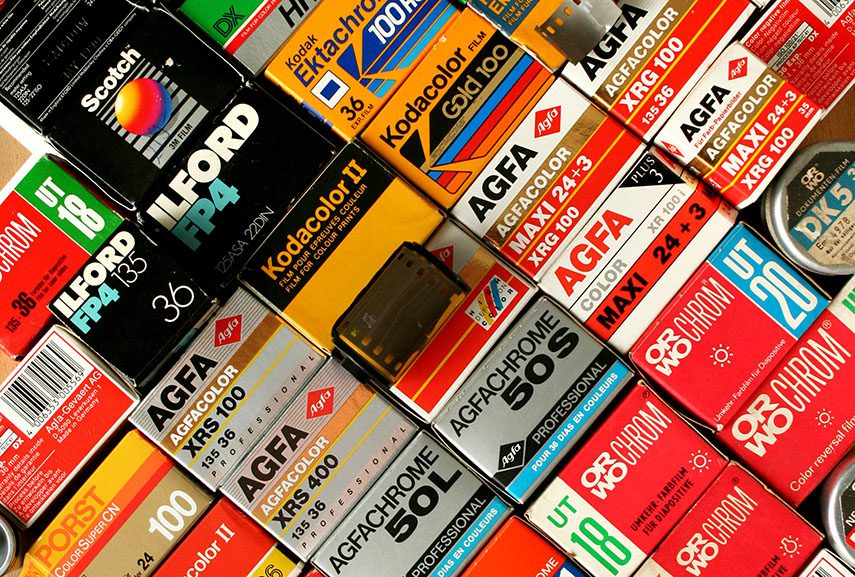

Professional Films vs Consumer Films
By Jim McGee
In general professional film have more saturated colors and finer grain than consumer film.
But photographers are often surprised to learn that many professional films have consumer counterparts that have identical emulsions. The difference in name and price refers to the quality control of how that film is produced and handled before it gets to you.
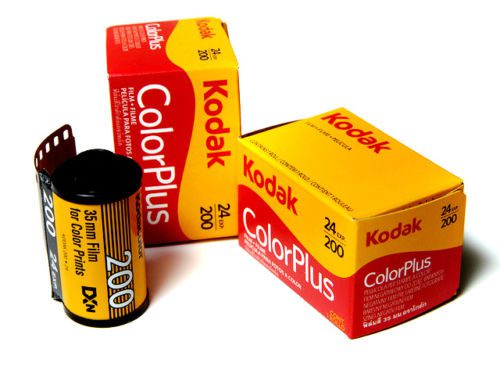
Kodak ColorPlus 200
Professional photographers need to know that a given emulsion will always produce the same results with no surprises. This can be particularly important for catalog and fashion photographers where accurate color reproduction is a must.
Film ages. That can lead to subtle differences in shades and grain. Imagine a fashion photographer shooting for a magazine layout. Let’s say he shoots fifteen rolls of film with a model in several locations. Now imagine if the model’s dress is a different shade of blue from one roll to the next. You’ll have an unhappy editor and a very unhappy photographer (because he’ll have to re-shoot the layout).
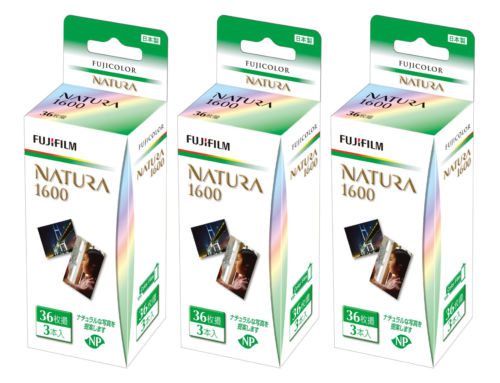
Fuji Natura 1600
Film also has a peak where the colors are the most vibrant and accurate. Refrigerating film dramatically slows the aging process and preserves the film at it’s peak. Professional film is manufactured to tighter tolerances and is kept refrigerated from the time it is produced until it reaches the photographer. The idea is that by slowing the aging process and manufacturing to tight tolerances you are assured that every roll of brand X pro film will produce results exactly like every other roll of brand X pro film.

Fuji Professional Films
In reality today’s films are much more accurate and temperature tolerant than the films of yore. They also age better with fewer noticeable shifts in color, contrast, and grain. Films like Fuji Superia and Press are identical emulsions. The difference is in the handling. The same is true of some slide films. Kodak Ektachrome 100 ExtraColor and Kodak 100VS for example, are the same emulsion.
Whatever film you buy it’s a good idea to throw it in the back of the fridge if you won’t be using it for a while. This slows the aging process and assures that you’ll get the best performance from your film.




0 Comments